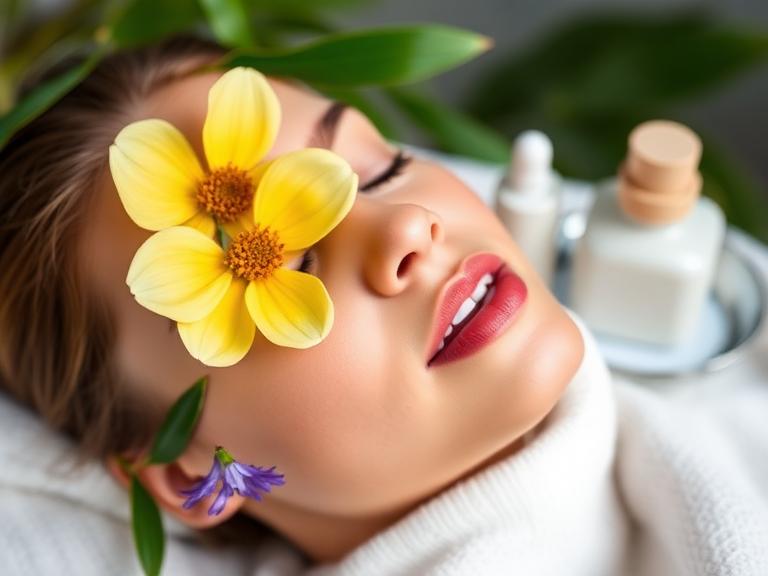
Healthy-looking skin does not always require a shelf full of expensive skincare products. In fact, many of the habits that support healthier skin are simple, affordable, and easy to follow at home. Your daily routine, diet, sleep, hydration, and how gently you treat your skin can all make a meaningful difference.
If you are wondering how to get clear skin naturally, the goal should not be perfect skin. Healthy skin naturally has texture, pores, and occasional blemishes. Instead, focus on keeping your skin clean, protected, moisturized, and supported through healthy lifestyle habits.
1. Keep Your Skin Clean but Be Gentle
One of the easiest ways to support clear skin is to keep it clean. Dirt, sweat, excess oil, and makeup can accumulate on the skin and that contribute to clogged pores.
Wash your face gently, particularly after sweating. Avoid scrubbing aggressively because harsh rubbing can irritate the skin and make existing redness or breakouts worse.
You do not need an expensive cleanser. A simple, gentle product suited to your skin type can be enough. If your skin feels tight, dry, or uncomfortable after washing, your routine may be too harsh.
2. Drink Enough Water
Hydration is important for overall health, and your skin benefits from adequate fluid intake as part of a balanced lifestyle. Instead of relying on expensive “detox” drinks or beauty beverages, make plain water your everyday choice.
Keep a water bottle nearby and drink regularly throughout the day. Your exact fluid needs can vary depending on factors such as weather, activity level, and diet.
Remember, however, that drinking more water alone is not a magic cure for acne or other skin conditions. Clear skin usually comes from several healthy habits working together.
3. Eat a Balanced, Nutrient-Rich Diet
Your diet can play an important role in overall skin health. Rather than following restrictive “clear skin” diets, focus on eating a variety of nutritious foods.
Include plenty of vegetables, fruits, whole grains, legumes, nuts, seeds, and suitable sources of protein. Foods containing vitamins, minerals, healthy fats, and antioxidants can support your body’s normal functions.
If you notice that certain foods consistently seem to trigger breakouts for you, keep a simple food and skin diary and discuss persistent concerns with a qualified healthcare professional rather than eliminating large food groups without guidance.
4. Get Enough Quality Sleep
Late nights may seem harmless when they happen occasionally, but consistently poor sleep can affect your overall health and wellbeing. A regular sleep schedule gives your body time to rest and recover.
Try to maintain a consistent bedtime and wake-up time. Keep your bedroom comfortable and reduce screen use before bed if it interferes with your ability to fall asleep.
Good sleep will not make every blemish disappear overnight, but it is an inexpensive habit that supports your general health—and healthy skin is part of that picture.
5. Avoid Touching Your Face Frequently
We often touch our faces without even realizing it. Hands can transfer dirt, oil, and other substances to the skin.
Make an effort to avoid unnecessary touching, picking, or squeezing pimples. Although popping a spot may feel satisfying in the moment, it can irritate the area and increase the chance of marks or scarring.
If you have a habit of touching your face while working or studying, keeping your hands occupied can help break the habit.
6. Protect Your Skin From the Sun
Sun protection is one of the most important parts of a simple skincare routine. Excessive ultraviolet exposure can contribute to premature skin aging, pigmentation, and sun damage.
Whenever appropriate, seek shade, wear protective clothing, and use a broad-spectrum sunscreen with an appropriate SPF. Sunscreen does not have to be a luxury product; choose an affordable option that you can use consistently.
This step is especially important if you are trying to maintain an even-looking complexion over time.
7. Choose Simple Skincare Instead of DIY Experiments
Natural does not automatically mean safe for your skin. Many popular DIY remedies use ingredients such as lemon juice, baking soda, toothpaste, or undiluted essential oils. These can irritate the skin and potentially cause problems.
If you prefer a simple routine, keep it basic: gentle cleansing, appropriate moisturization, and sun protection. Introduce new products one at a time and patch-test when appropriate.
The best skincare routine is often the one you can follow consistently without irritating your skin.
8. Manage Stress
Stress is a normal part of life, but ongoing stress can affect your overall wellbeing and may aggravate some skin concerns.
You do not need an expensive wellness program to manage stress. Walking, exercising, reading, spending time with friends, practicing relaxation techniques, or simply taking a few quiet minutes each day can help.
Find something realistic that fits your lifestyle rather than trying to follow an unrealistic routine from social media.
9. Keep Your Pillowcases and Towels Clean
Small hygiene habits can complement your skincare routine. Wash pillowcases, face towels, and other items that regularly come into contact with your face.
Also, avoid sharing personal towels or skincare tools. Keeping these everyday items clean is simple and inexpensive.
10. Be Patient and Consistent
Perhaps the most overlooked secret to getting clear skin naturally is patience. Skin does not usually change dramatically in a few days.
Instead of constantly switching between different remedies, give your routine time to work. Pay attention to how your skin responds and make gradual changes.
If acne is painful, severe, persistent, leaving scars, or affecting your confidence, consider speaking with a dermatologist. Professional treatment does not mean you have failed at natural skincare—it simply means you are getting appropriate help for your skin.
Conclusion
Learning how to get clear skin naturally without expensive products is less about finding a miracle ingredient and more about building healthy, sustainable habits. Gentle cleansing, balanced nutrition, adequate hydration, quality sleep, sun protection, stress management, and avoiding unnecessary skin irritation can all contribute to healthier-looking skin.
Most importantly, remember that clear skin does not have to mean flawless skin. Occasional pimples and natural skin texture are completely normal. Focus on caring for your skin consistently rather than chasing perfection.